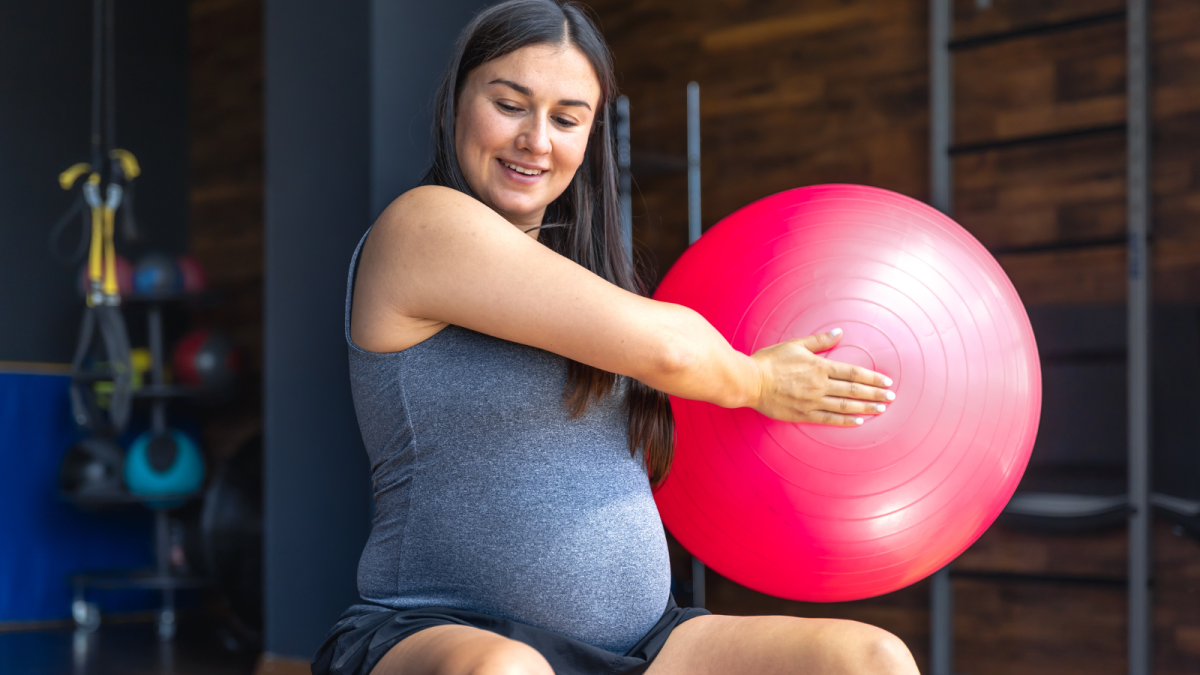
Exercise during pregnancy has come a long way from the days when women were told to “put their feet up.” We now know that staying active throughout pregnancy brings significant benefits for both mum and baby. From better sleep and mood to reduced back pain and easier labour, the evidence is clear: movement matters.
Why Pilates in Pregnancy Is So Beneficial
Pregnancy is a time of enormous physical change, but exercise can help the body adapt to these changes more efficiently.
A recent scientific review found that regular Pilates practice (around twice a week) during pregnancy improved:
-
Sleep quality
-
Back and pelvic stability
-
Mood and energy levels
-
Pelvic floor awareness and control
-
Balance, mobility and strength
These outcomes reflect what our physiotherapists and Pilates instructors see every day – consistent, low-impact movement helps women feel stronger, calmer, and more connected to their changing bodies.
How Pilates Fits In
Pilates offers a perfect balance between strength and softness, focusing on controlled breathing, posture, and stability rather than high intensity. That’s why it features so often in research on pregnancy exercise.
By targeting the deep stabilising muscles, improving alignment, and promoting body awareness, Pilates can:
-
Reduce strain on the back and pelvis
-
Improve balance and coordination
-
Build strength for labour and recovery
-
Support better sleep and stress relief
The latest research confirms what many instructors already know – movement doesn’t have to be big to be effective. Even small, focused exercises performed regularly can make a measurable difference.
Pilates is a safe, lower-intensity form of resistance exercise for pregnancy. However, current thinking shows that women already accustomed to higher-level training can often continue safely with appropriate guidance.
Real-world examples of elite athletes have challenged the idea that pregnancy must mean a performance pause. Serena Williams famously trained throughout her pregnancy (even posting workout videos at eight months) and won the Australian Open while in her first trimester. Alysia Montaño also gained widespread attention for racing an 800 m event at eight months pregnant and has since continued her athletic career.
The Emotional Benefit of Staying Active
Beyond the physical gains, movement during pregnancy can profoundly improve mental wellbeing. Exercise – especially mindful, breath-based practices like Pilates – can reduce anxiety, lift mood, and help women feel more in control during a period of major change.
For the best experience, seek out instructors who truly understand pregnancy and the changing body. APPI-trained teachers in antenatal and postnatal Pilates are specially qualified to guide you safely, while consulting an expert Women’s Health Physioterapist can make all the difference if you need extra support.
Final Thoughts
The science, the stories, and lived experiences all align – exercise in pregnancy is not just safe, it’s beneficial, empowering, and essential.
Whether it’s a world champion athlete training under expert supervision or a mum-to-be joining her first Pilates class, the principle remains the same – move with awareness, confidence, and care.
Build strength not just for birth, but for the journey of motherhood ahead. Explore our classes and clinics to start your journey with APPI Health Group today.
References:
- British Journal of Sports Medicine (2024). Effects of resistance training on maternal and fetal outcomes: a systematic review and meta-analysis. PubMed ID: 40610191.
- Rial Rebullido, T. et al. (2023). Resistance training and pregnancy: Safety and benefits. POGP Journal. https://thepogp.co.uk/_userfiles/pages/files/journals/136/05_rial_rebullido_et_al.pdf
- Serena Williams and elite athlete pregnancy performance. PMC9456821.
- Alysia Montaño, 800m athlete competing at 8 months pregnant. https://en.wikipedia.org/wiki/Alysia_Monta%C3%B1o