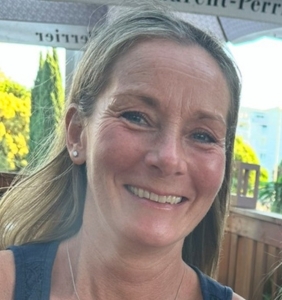
What initially inspired you to pursue Pilates instructor training and what were your goals?
I began teaching Pilates 22 years ago after partially dislocating my shoulder. Initially, I was teaching aerobics and other fitness classes. My physiotherapist, who had recently trained in Pilates, used it to rehabilitate my shoulder successfully, avoiding surgery. This inspired me to train as a Pilates instructor, focusing on helping others.
What challenges were you facing before enrolling in our programmes?
I wasn’t facing specific challenges but was always hungry for knowledge and passionate about helping people.
What led you to choose our training courses over other providers?
I chose APPI for their in-depth courses taught by skilled professionals. The combination of online and in-person options with continued access to notes and videos was a significant bonus. I trusted APPI as a reputable provider, offering quality education compared to the many subpar courses available.
How did you feel about your career progression before starting the training?
I was confident in my abilities but sought further knowledge to enhance my practice and client offerings.
How would you describe your experience during the training programme?
My experience with APPI was excellent. The courses were functional, practical, and aligned with real-world needs. I particularly appreciated the variety of training options and ongoing access to materials.
What aspects of the training were most valuable to you (e.g., course structure, support, or instructors)?
The quality of the instructors, the depth of the courses, and the access to updated resources through APPI membership, such as the constantly refreshed members’ area, stood out. Members Month was particularly valuable.
How has completing the training impacted your career or practice?
The training has enhanced my ability to cater to specific client needs, particularly for menopause and osteoporosis. I’ve gained confidence in addressing these topics and applying new techniques to 1-2-1 sessions and group classes.
What new opportunities (clients, roles, revenue growth) has the training helped you achieve?
I held a successful Menopause workshop for 20 women, combining knowledge from the Menopause and Osteoporosis courses. I plan to continue working in this area.
How has the training improved your ability to help your clients?
The courses provided valuable insights and practical tools, enabling me to plan engaging, adaptable classes using bands and balls to suit different client needs.
What advice would you give to someone considering our training?
Choose courses that enhance your existing knowledge and focus on areas you’re passionate about. The training is functional, affordable, and leaves you feeling confident in what you’ve learned.
Would you recommend our courses to others? If so, why?
Yes, I’ve already recommended APPI courses to others because of their affordability, the expertise of the instructors, and the practical knowledge they offer.
Are there any specific outcomes you’ve achieved that stand out?
I successfully organised and led a Menopause workshop for 20 ladies, which was well-received and has inspired me to do more work in this area.
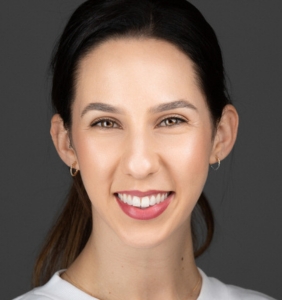
What initially inspired you to pursue Pilates instructor training and what were your goals?
After getting a degree in Sports Therapy I started working in a gym and became a personal trainer. I was also working as a Sports therapist treating injuries. I wanted to be able to help my client to return to sports after their injuries and to also help them to prevent injuries by improving their bodies alignment. Pilates was the perfect bridge between injury treatments and regular training.
What challenges were you facing before enrolling in our programmes?
I was already a pre and postnatal fitness instructor but as I have started to do more Pilates now than anything I had a lot of interest from pre and post natal clients that wanted to do reformer Pilates. I generally work from home now. I have a cabin in the garden with one reformer in. I mainly do 1:1 sessions but I do a handful of 2:1 sessions so one challenge I was facing with the 2:1 sessions was getting my clients to split their time between the reformer and Mat Pilates. That’s why I decided to do the Arc Barrel online course with APPI. It meant I could offer more variety within my small sessions. It was also great to learn how to adapt the exercises on another piece of Pilates equipment. I really enjoyed the course.
What led you to choose our training courses over other providers?
I see a physio regularly for an on going back injury. She is APPI trained and she recommended the courses to me.
How did you feel about your career progression before starting the training?
I’m always looking at ways to progress my career. I like to stay up to date with the current trends and I found APPI to be an exceptional trainer provider.
How would you describe your experience during the training programme?
I really enjoyed the two online courses. I was initially put off by them being online but they were actually really good. I especially enjoyed the pre and postnatal one as that one was live online over a weekend. Which was much more engaging and the teacher was really knowledgeable and also very inspiring.
What aspects of the training were most valuable to you (e.g., course structure, support, or instructors)?
Course content and instructors.
How has completing the training impacted your career or practice?
I can offer more variety to my clients now and I have started teaching some pre and post natal classes in a local studio which I thoroughly enjoy.
What new opportunities (clients, roles, revenue growth) has the training helped you achieve?
As above. I can offer more and I have started teaching some new classes.
How has the training improved your ability to help your clients?
It’s great to be able to offer more variety on the Pilates equipment as not all bits of equipment suit every exercise/person. I find that some exercises are more effective on the Arc Barrel compared to the reformer and vice versa.
What advice would you give to someone considering our training?
Just to make sure that you put aside the time to complete the course and do plenty of practise before teaching.
Would you recommend our courses to others? If so, why?
Yes I would. I have enjoyed the courses and felt that they were very beneficial. I have just signed up to do my Split pedal chair course in Feb so I’m really looking forward to doing that.
Are there any specific outcomes you’ve achieved that stand out?
I think being pre/postnatal reformer Pilates qualified is a great qualification to have. Reformer Pilates is so popular especially for females and you’ll often come across clients who are pre/postnatal so it’s great to be able to adapt the sessions to them. It’s also really nice to be able to help women during their postnatal recovery and being able to do reformer sessions is amazing as you can adapt so many of the exercises to suit them needs.
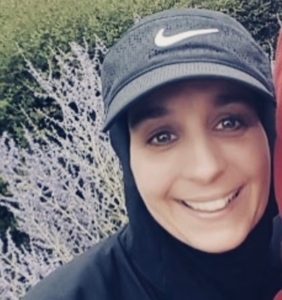
What initially inspired you to pursue Pilates instructor training and what were your goals?
I qualified with another provider 8 years ago. My goals initially were to learn Pilates for myself as I had just given birth to my 6th child and my body felt broken. So, my first thoughts were not to be an instructor, but to learn the discipline and repertoire and help my own body.
What challenges were you facing before enrolling in our programmes?
Before enrolling with APPI, I felt a little stagnant in my teaching . I wanted a better understating of clinical Pilates and movement for clients who were injured or had mobility issues and didn’t fit the classical Pilates exercises.
What led you to choose our training courses over other providers?
I liked the fact it had links to physiotherapy and after watching videos of instructors on the website, I could see how the Pilates exercises were broken down and movement was looked at in a functional way. The APPI bridging course was the perfect transition for me!
How did you feel about your career progression before starting the training?
I was a little confused about which path to take, regarding my learning and progression. I considered doing my Physiotherapy degree, but my heart was still with Pilates and deep down I knew I just needed to find a course that would enhance my teaching skills and give me knowledge and better understanding of movement and Anatomy.
How would you describe your experience during the training programme?
I really enjoyed the training program. I did the online course, so it fitted in well with my home life. Being able to go back over the videos when my little toddlers decided to be loud!!!! Really helped.
What aspects of the training were most valuable to you (e.g., course structure, support, or instructors)?
The structure of the course was probably the most valuable for me. It covered every exercise and broke down the levels, which I found to be an excellent addition to the program.
How has completing the training impacted your career or practice?
I feel more confident after doing the bridging course. It has enhanced my teaching skills and has given me a better understanding of movement. Also learning about muscle slings and the importance of this, helped me in designing programs for my clients.
What new opportunities (clients, roles, revenue growth) has the training helped you achieve?
I already have quite a lot of clients but I have decided to take on more private 1-1’s work with those who have varying contraindications.
How has the training improved your ability to help your clients?
The training has helped me apply the APPI methods to my programs. This allows Me to help my clients become more efficient in their daily activities and has also helped me develop a better understating of my own body form.
What advice would you give to someone considering our training?
I would advise anyone looking to do APPi training, to ask questions and make sure the courses they want to do fits their development. The support of APPI is very good. So, use them and don’t be afraid to ask questions!!
Would you recommend our courses to others? If so, why?
I would definitely recommend APPI training courses. The instructors are very knowledgeable and the courses thorough.
Are there any specific outcomes you’ve achieved that stand out?
With regard to achievement outcomes from the training, that specifically stand out, I feel that overall, my teaching practice has improved. This was an area I really wanted to focus upon.
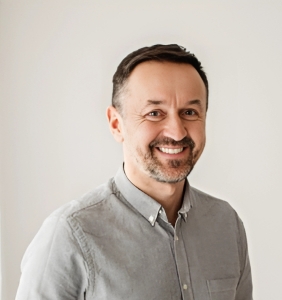
What initially inspired you to pursue Pilates instructor training and what were your goals?
My decision to pursue Clinical Pilates instructor training was inspired by my background in physiotherapy and my desire to integrate Pilates into a broad spectrum of rehabilitation and wellness practices. I wanted to use Pilates not just to support everyday fitness and sports performance, but also to offer specialised, evidence-based rehabilitation—particularly for clients recovering from injuries and for those, especially men, who may be less familiar with the benefits of Pilates. Ultimately, my goal was to elevate my clinical skills by weaving Pilates into my therapeutic toolkit, allowing clients to move better, feel stronger, and achieve long-term health and vitality.
What challenges were you facing before enrolling in our programmes?
Before enrolling, I found it challenging to locate a training program that thoughtfully combined Pilates with the precision and clinical considerations fundamental to physiotherapy practice. I needed a framework that would equip me to guide clients through safe, targeted exercise routines that both accelerated recovery and enhanced functional strength. This was especially important for injury prevention and improving sports performance. By adopting a more holistic, tailored approach, I aimed to help clients not only recover more efficiently but also maintain their well-being over the long haul.
What led you to choose our training courses over other providers?
I selected your courses because of their stellar reputation for blending clinical expertise with Pilates methodology. The curriculum’s evidence-based foundation and its alignment with physiotherapy principles resonated strongly with me. I knew this unique approach would provide the robust, practical knowledge I needed to refine my skills and deliver exceptional care to my clients.
How did you feel about your career progression before starting the training?
Before starting the training, I felt that my career was at a standstill. Although I was passionate about my work, I recognised a gap in my skill set, especially regarding advanced rehabilitation techniques that could set me apart. I was eager to expand my practice and believed that specialised Pilates training would be the key to unlocking new opportunities and elevating my professional journey.
How would you describe your experience during the training programme?
My experience during the training was truly transformative. The blend of theoretical knowledge, hands-on practice, and personalised feedback from master trainers and the APPI founders exceeded my expectations. The supportive learning environment allowed me to deepen my understanding of Clinical Pilates and gain the confidence to apply these techniques immediately with my clients.
What aspects of the training were most valuable to you (e.g., course structure, support, or instructors)?
The quality and dedication of the instructors were exceptional. Their wealth of knowledge, combined with the structured curriculum, provided a clear roadmap to becoming a confident Pilates practitioner. I valued the balance between theory and practice, as it gave me the tools to start teaching effectively right after completing the course. The ongoing guidance and constructive feedback were instrumental in shaping my professional approach.
How has completing the training impacted your career or practice?
Completing the training has enriched my career beyond measure. I’ve been able to seamlessly integrate Pilates into my practice, drawing a more diverse range of clients, including those seeking specialised rehabilitation and preventative care. The training has enhanced my reputation as a well-rounded, results-oriented practitioner, allowing me to build trust and rapport with clients who appreciate a holistic approach to their health.
What new opportunities (clients, roles, revenue growth) has the training helped you achieve?
The training helped me attract clients specifically looking for a certified Pilates instructor with a strong physiotherapy background. I’ve secured roles at prestigious fitness centres, increased my private client base, and established collaborations with other health and wellness professionals. Notably, my current role at The Royal Marsden Hospital in London focuses on cancer rehabilitation, where I apply Pilates principles to help patients regain strength, mobility, and confidence throughout their treatment journey. This specialisation, alongside my broader client work, has substantially broadened both my professional impact and my revenue streams.
How has the training improved your ability to help your clients?
My enhanced skill set enables me to customise Pilates-based programs that address individual needs, from general fitness and injury recovery to specialised cancer rehabilitation. Clients have reported improved functional outcomes, reduced pain, and an increased sense of empowerment. Knowing that I can support clients with a wide range of conditions, and witness their remarkable progress, is deeply rewarding and reinforces the value of my training.
What advice would you give to someone considering our training?
If you’re contemplating this training, don’t hesitate. The program is comprehensive, the support from instructors is outstanding, and the evidence-based approach ensures you’ll gain valuable, immediately applicable skills. It’s an investment that will elevate your professional capabilities and enable you to provide clients with a transformative movement experience.
Would you recommend our courses to others? If so, why?
Absolutely. I wholeheartedly recommend your courses because they combine the rigor of clinical practice with the dynamism of Pilates. As a result, participants emerge as confident practitioners equipped to motivate clients, enhance their rehabilitation outcomes, and improve their overall well-being. It’s a win-win for both professionals and the communities they serve.
Are there any specific outcomes you’ve achieved that stand out?
One standout achievement is successfully launching my own mobile Pilates practice, which remains consistently booked, reflecting the high demand for specialised, quality-led instruction. Additionally, my role at The Royal Marsden Hospital in London has allowed me to apply Pilates principles to cancer rehabilitation, helping patients rebuild strength, mobility, and resilience during a challenging chapter of their lives. Seeing these clients regain their independence, improve their overall function, and rediscover confidence in their bodies has been both professionally gratifying and personally inspiring.
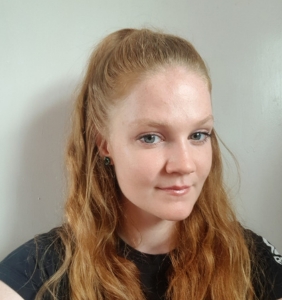
What initially inspired you to pursue Pilates instructor training and what were your goals?
I have worked in fitness for the last 8 years and was working at Nuffield Health as a Rehabilitation Specialist for their Joint Pain Programme. I wanted a thorough clinical Pilates qualification that would enable me to help the participants who needed more involved knowledge than I had from a clinical perspective.
What challenges were you facing before enrolling in our programmes?
Lack of knowledge on movement re education for those within a clinical population.
What led you to choose our training courses over other providers?
The course could be completed online around my work and was rehab specific.
How did you feel about your career progression before starting the training?
I felt I was limited to purely fitness related roles.
How would you describe your experience during the training programme?
It was thorough with fantastic tools and instructors that enabled me to understand the content really well.
What aspects of the training were most valuable to you (e.g., course structure, support, or instructors)?
Mel Bryant describes things in a way that really resonates with me. I also found the extra resources such as the visible bodies app better than anything I had previously used for understanding anatomy. Also due yo the online directory, I was able to find a local APPI instructor to mentor me through the qualification.
How has completing the training impacted your career or practice?
I have now been hired as a Rehabilitation Technician at a Chiropractic Bio Physics clinic and am able to hold my own Pilates classes in house to aid the clients in their recovery.
What new opportunities (clients, roles, revenue growth) has the training helped you achieve?
I am now able to work with people that I wouldn’t have had the confidence or qualifications to help and really change their quality of life. I’m also able to charge a competitive rate due to the qualification being so comprehensive.
How has the training improved your ability to help your clients?
Absolutely, I have clients who have been in pain for decades that are now able to live without painkillers.
What advice would you give to someone considering our training?
If going for the online option, try to find a local APPI instructor to help mentor and go to their classes to really understand the movement and class feel.
Would you recommend our courses to others? If so, why?
If so, why? 100% I have confidence in my learning that a lot of my friends who have completed qualifications with other providers do not. There is a wealth of information available with this provider.
Are there any specific outcomes you’ve achieved that stand out?
I personally suffered from a severely herniated L5/S1 part way through my training and the knowledge gained from this course and the instructor who mentored me through the training enabled me to go from excruciating pain that stopped me living life to 95% of where I was prior to injury in as little as 12 weeks.

General Background
I’ve been practicing Pilates for 4 years and wanted to deepen my knowledge and become a certified instructor. Im currently working as a physiotherapist, with a strong focus on helping clients improve their mobility and overall well-being. Over the years, I’ve developed a keen interest in Pilates as a complementary therapy, and I wanted to deepen my knowledge to incorporate it more effectively into my practice. My goal is to combine my physiotherapy expertise with Pilates to offer a holistic approach to rehabilitation and movement
What initially inspired you to pursue Pilates instructor training and what were your goals?
My inspiration came from both the physical benefits I experienced personally from Pilates, as well as the desire to help others achieve similar improvements in their health and movement. My goals were to gain a deep understanding of Pilates technique, learn how to teach effectively, and create a safe environment for clients to improve their mobility and strength.
What challenges were you facing before enrolling in our programmes?
Before starting the training, I felt uncertain about how to transition from being a student to an instructor. I had some doubts about whether I would be able to effectively teach others and manage the technical details of the Pilates method.
What led you to choose our training courses over other providers?
I chose APPI Health Group because of its excellent reputation in the industry and the comprehensive structure of the course. The blend of theory and practical application, as well as the ongoing support from other APPI instructors as well as the APPI team, was something that really stood out to me.
How would you describe your experience during the training programme?
My experience was enriching and empowering. The curriculum was well-structured, and the option to complete modules online is really conventient. The instructors were knowledgeable and very effective teachers, which made the entire learning process more enjoyable.
What aspects of the training were most valuable to you (e.g., course structure, support, or instructors)?
The support from both instructors and fellow students was invaluable. I also really appreciated the clear structure of the course, which made complex concepts more accessible. The practical sessions were especially helpful for building my confidence.
How has completing the training impacted your career or practice?
Completing the training has opened up new career opportunities for me. I now feel equipped to teach Pilates in a more professional and structured way, and I’ve seen positive feedback from clients and patients in my physiotherapy practice who benefit from my new skills.
What advice would you give to someone considering our training?
I would tell them to trust the process and embrace the learning experience. Be patient with yourself, as mastering Pilates and becoming an instructor takes time and practice, but it’s incredibly rewarding.
Would you recommend our courses to others? If so, why?
Absolutely. APPI Health Group offers top-notch training with expert instructors, a supportive community, and a comprehensive curriculum that sets you up for success as a Pilates instructor.
Are there any specific outcomes you’ve achieved that stand out?
One outcome that stands out is my increased confidence as an instructor. I now feel more confident in my ability to help others improve their movement and achieve their health goals. Additionally, I’ve had several clients express how much they’ve benefited from my training.
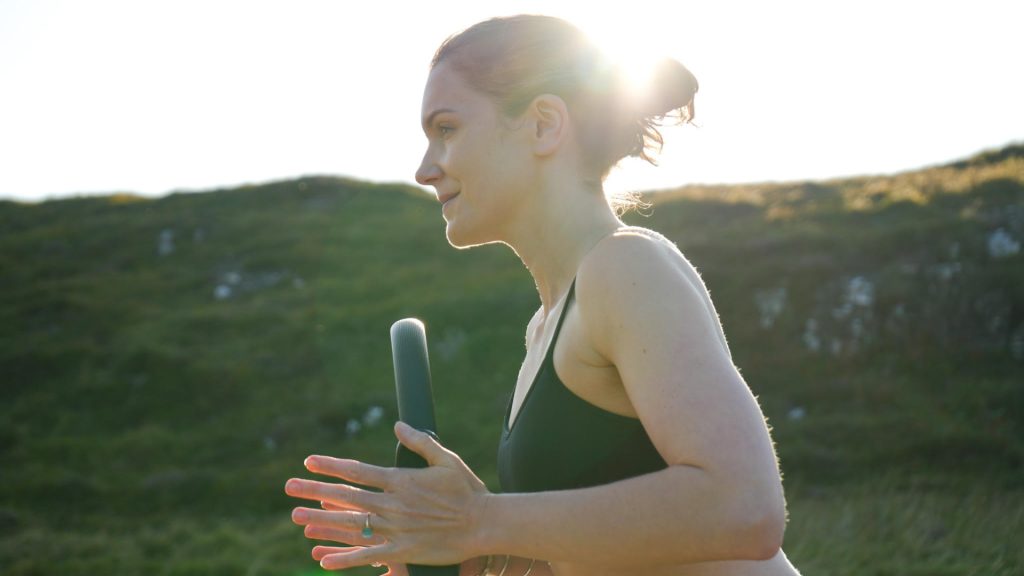
What initially inspired you to pursue Pilates instructor training and what were your goals?
Matwork – change of career. I wanted to do something that would work around being a Mum to a small child and something that I’d really love, rather than it feeling like a chore. Reformer seemed like a good career path, all my local studios were looking for Reformer and it’s currently so popular.
What challenges were you facing before enrolling in our programmes?
9-5 job being challenging with a small child.
What led you to choose our training courses over other providers?
I felt APPI offered the most rigorous and respected training. I saw that I could qualify more quickly with other providers but I knew I wouldn’t feel very confident.
How did you feel about your career progression before starting the training?
I thought I’d be able to work at a mat instructor and didn’t expect to have to do the reformer training so quickly but really both are required, especially in London.
How would you describe your experience during the training programme?
It was extremely challenging for someone from a totally different background, very steep learning curve! Really worth it though as I feel really prepared and like I have more than enough knowledge to tackle all sorts of situations and types of clients.
What aspects of the training were most valuable to you (e.g., course structure, support, or instructors)?
I loved the instructors – Clare especially. She is so experienced and has so many great little snippets of information and ideas which I wish I could have had a chance to write down!
How has completing the training impacted your career or practice?
Now I’m reformer trained I have a really fantastic group of regular clients.
What new opportunities (clients, roles, revenue growth) has the training helped you achieve?
I work for two different studios and feel really confident in my teaching working with classes, 1:1 and with all levels of clients.
How has the training improved your ability to help your clients?
I am able to tailor exercises and class plans to cover all sorts of issues that may arise. I feel we were given a really good foundation by APPI that then allows us to be able to confidently teach.
What advice would you give to someone considering our training?
I think it’s a good idea to try to qualify as quickly as possible. Totally dedicate yourself to getting your hours done and getting the exams done so that you don’t lose momentum.
Would you recommend our courses to others? If so, why?
I would as they’ve give me a great foundation to build from and become to type of instructor that I want to be.
Are there any specific outcomes you’ve achieved that stand out?
I’m really proud that I’ve been working for nearly a year now and have built a lovely client base.
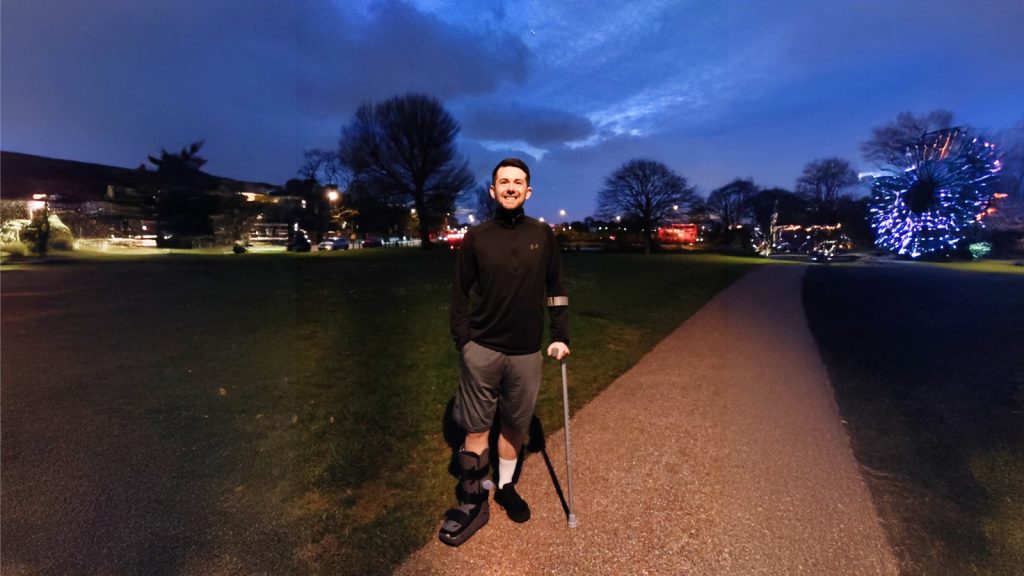
What initially inspired you to pursue Pilates instructor training, and what were your goals?
As a physiotherapist, I have always been drawn to interventions that combine movement, control, and strength in a way that can be adapted for a wide range of clients. Pilates offers a unique framework for improving mobility, stability, and body awareness, which aligns perfectly with my approach to rehabilitation. My goal was to expand my clinical toolbox to deliver more effective, targeted exercise programs and to integrate Pilates principles into my daily physiotherapy practice. I also hope to expand and be able to lead 1:1 or group Pilates programs.
What challenges were you facing before enrolling in our programmes?
Before starting the training, I often found that my exercise prescriptions could be enhanced by more structured and progressive core and movement re-education strategies. I wanted a more systematic way to bridge the gap between early rehabilitation and return to full activity, particularly for clients recovering from orthopaedic surgery or managing long-term musculoskeletal issues.
What led you to choose our training courses over other providers?
APPI has an excellent reputation for delivering evidence-based Pilates training tailored to health professionals. The clinical focus, structured progression, and emphasis on safe adaptations made it an easy choice. I was first introduced to APPI after completing the Level 1 Matwork Clinical Pilates course and thought that the teaching and principles very much aligned with myself. I also value the strong integration of research and practical application, which I feel is essential for my role.
How did you feel about your career progression before starting the training?
I was confident in my core physiotherapy skills but recognised there was room to grow in offering a more complete, movement-based rehabilitation service. I saw Pilates training as a way to add a specialist skill set that would both enhance patient care and develop my professional profile. I look forward to exploring further teaching Pilates externally, varying my workload as I personally enjoy the practical teaching elements that working as a Pilates instructor offers.
How would you describe your experience during the training programme?
The training was both challenging and rewarding. Mel Bryant, our instructor for the Matwork Level 2 course was incredibly knowledgeable and supportive, ensuring each concept was clearly explained and clinically relevant. The practical elements were engaging and immediately applicable to my work.
What aspects of the training were most valuable to you (e.g., course structure, support, or instructors)?
The blend of theory and practical application was excellent. Mel’s teaching style created a supportive, interactive environment that allowed for questions, reflection, and real-world examples. The course structure also made it easy to see how each exercise could be adapted for different patient needs.
How has completing the training impacted your career or practice?
Since completing Matwork Level 2, I’ve been able to incorporate Pilates-based exercises more confidently into rehabilitation programs, particularly for post-operative and long-term musculoskeletal patients. The principles have also improved my own movement awareness, which I can model for clients.
What new opportunities (clients, roles, revenue growth) has the training helped you achieve?
It has broadened my scope for delivering structured group rehab and 1:1 sessions, and I can now offer a more specialised approach to patients of all ages, fitness backgrounds and stages of rehabilitation. I hope to further broaden my career with the help of the Pilates training and work more with people in a personal training and Pilates instructor context for a variety of patient and client groups. I have a personal interest in using Pilates to assist with developing callisthenics skills and with meditative and breathwork practices, personally or with particular clients.
How has the training improved your ability to help your clients?
I now have a greater variety of exercises and progressions at my disposal, which allows me to personalise rehabilitation more effectively. Patients respond well to the structured, mindful nature of Pilates, which often results in improved compliance and faster functional gains. At present, I have been using these principles recently with patients who have had planned elective or unplanned traumatic surgeries, with hip surgeries making up a large proportion. I’ve found incorporating these Pilates principles along with physiotherapy practice has helped enable me to guide patients through acute and through mid and late stages of rehabilitation.
What advice would you give to someone considering our training?
If you are a health professional looking to integrate high-quality, adaptable movement strategies into your work, APPI’s courses are an excellent choice. The content is evidence-based, clinically relevant, and immediately applicable to practice. Even if you aren’t a health professional, you will certainly see a benefit if the structured and progressive approach taught in the APPI Pilates method and how this can help provide a systematic form of exercise for a variety of health and fitness-related goals.
Would you recommend our courses to others? If so, why?
Absolutely. The teaching quality, course structure, and clinical focus make APPI stand out from other providers. The ability to adapt exercises for any level of client makes it an invaluable skill set.
Are there any specific outcomes you’ve achieved that stand out?
Since my ankle reconstruction surgery earlier this year as well as last year for my other ankle, I have personally used Pilates principles as part of my own rehabilitation – focusing on controlled loading, proprioceptive re-education, and progressive strengthening. This approach has supported my mobility and helped restore functional movement patterns, especially as imbalances had occurred during the 6 weeks non-weight-bearing as part of each surgeries post op plan.
I also incorporate Pilates into my general fitness practice alongside weight training, callisthenics skills work, and running. This has enhanced my movement efficiency, core stability, and injury prevention strategies across all activities. I also find Pilates a useful mindfulness practice to help in managing my symptoms of ADHD for which I have recently been diagnosed. Movement is a significant part in helping to manage my mood and ADHD related symptoms. The accessible and progressive nature of Pilates has meant I have been able to continue to move to help manage my aforementioned symptoms, especially through my surgeries, when other movement activities have been limited.
Despite recently being involved in a bike accident – which has meant postponing my Matwork Level 3 course – my recovery from both the accident and my ankle surgery has been supported by Pilates-based principles. My movement, stability, and mobility continue to improve, and I am eager to resume my training when fully recovered.

What initially inspired you to pursue Pilates instructor training and what were your goals?
I first discovered Pilates in 2015/2016 through ClassPass, and over the years it became more than just exercise – it became a grounding practice and a place where I could truly be present, especially after COVID. My goal in pursuing instructor training was not only to deepen my own practice but also to create access for South Asian and Muslim women, who I feel are still underrepresented in this space.
What challenges were you facing before enrolling in our programmes?
Before enrolling, I often felt Pilates was something I personally loved but didn’t see a pathway to share with my community. I wasn’t sure how to take that next step into teaching in a way that was both professional and aligned with my values.
What led you to choose our training courses over other providers?
The course felt approachable, thorough, and supportive – everything I needed as someone stepping into teaching for the first time. The structure also seemed practical and flexible, which was important as I was balancing other commitments.
How did you feel about your career progression before starting the training?
I felt a little uncertain. I knew I had years of experience in strategy and communications, but I didn’t see a clear pathway into wellness. I was motivated but unsure of how to connect my passion with a professional route.
How would you describe your experience during the training programme?
It was transformative. The training gave me not only the technical knowledge but also the confidence to trust my instincts as a teacher. It felt like a safe space to learn, ask questions, and grow.
What aspects of the training were most valuable to you (e.g., course structure, support, or instructors)?
The instructors were incredibly supportive and inspiring. The balance between theory and practice was really valuable, and I appreciated the structure that allowed me to see steady progress each week.
How has completing the training impacted your career or practice?
It’s opened up an entirely new pathway for me. I now see Pilates as not just a personal practice but as something I can share and build into my career.
What new opportunities (clients, roles, revenue growth) has the training helped you achieve?
I will be working towards teaching in my community and exploring ways to create accessible, inclusive spaces for women who may not otherwise feel Pilates is for them.
How has the training improved your ability to help your clients?
Ive not started working with clients just yet, so I cant answer this one.
What advice would you give to someone considering our training?
If you’re even slightly curious, take the leap. The training not only equips you with skills but also gives you the confidence to grow into the role of an instructor.
Would you recommend our courses to others? If so, why?
Absolutely. The course is comprehensive, supportive. It’s the kind of training that meets you where you are and helps you move forward with clarity and confidence.
Are there any specific outcomes you’ve achieved that stand out?
For me, the biggest outcome is belief. I now feel capable of leading classes and of carving out a future in Pilates that feels aligned with my personal and professional goals.