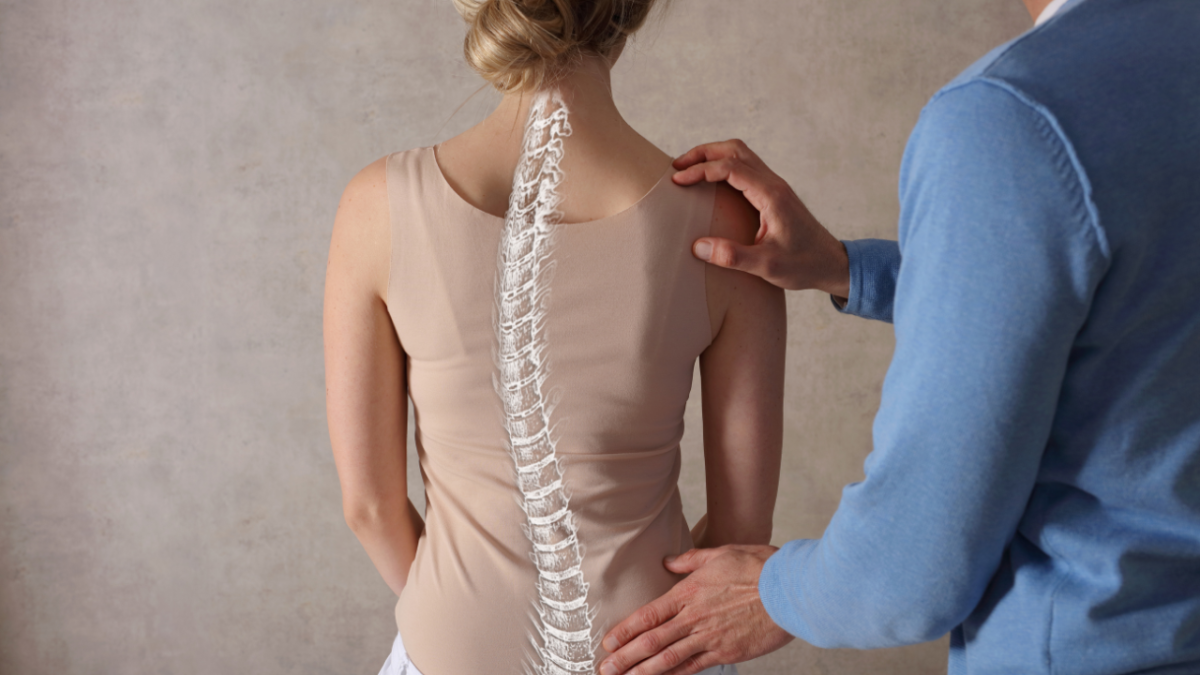
A lot of our jobs or activities of daily living involve sitting or standing for prolonged periods of time. Prolonged postures or repeated poor posture can lead to repetitive stress, strain or injury. We’ve all been there where we’ve sat hunched over a laptop for hours on end trying to get work finished or we’ve sat slumped on a long car journey. Then we wonder why our back, neck or other joints feel achey.
The simple solution is … keep moving! Our human skeletons are designed to be active and mobile. Though, in reality this is very difficult, especially for those with sedentary jobs, sedentary lifestyles and a lack of motivation or interest in exercise. This may sound familiar with some of our clients or patients that we’ve all come across!
Thankfully, as a society we are becoming a lot more health conscious. We’ve seen a huge surge in social media content on diet, health and wellness to influence and educate our population. Also, further advances in technology have seen an increase in people with smart watches and phones with health apps that track our step count and also remind us all to move more regularly.
Furthermore, desk based sedentary jobs have seen some advances in improving work postures. Sit-to-stand desks allow people to change postures regularly at work. Many employers also follow health and safety guidance and complete ergonomic work station assessments for their workers. These assessments ensure the work station is set up well to promote correct neutral posture to reduce stress and repetitive strain from work activities.
However, It’s not only important to MOVE MORE, it’s also important to MOVE WELL to maintain good posture and avoid stress, strain or injury. This is where Pilates comes in!
The fundamental principles underpinning our APPI pilates method is to ensure we teach, support and reinforce positive, normal movement patterns to improve posture, strength and alignment. The first teaching components of our matwork modules include the 5 key elements of Pilates.
The 5 Key elements: –
- Breathing
- Centering
- Rib Cage Placement
- Shoulder Placement
- Head & Neck Placement
Notice that 4 out of the 5 principles are specifically focussed on posture. Centering ensures our lower back and pelvis are in a neutral position to effectively activate our core muscles. Rib Cage placement ensures correct thoracic posture. Shoulder, head and neck placement ensures the rest of the spine and peripheral joints are also maintained in a neutral posture. These are our posture ‘watch points’.
During 1-1 sessions or group classes we must always look out for these watch points to make sure we exercise with good posture to avoid stress, strain or injury. We often observe cheating or compensatory postures and movements such as; flattening or arching of the lower back, rib cage flaring, hunching of the shoulders and extending the head and neck. These compensatory postures must be corrected to effectively strengthen the core and avoid stress, strain or injury.
Maintaining neutral posture allows us to work our smaller postural muscles. If our core and postural muscles have more strength and endurance this will carry over to work postures and activities of daily living and reduce the risk of posture related injuries.
A really useful tip is to always go back to the underlying principles of what we do. The 5 key elements are the foundation of our APPI Pilates method. Regular pilates exercise with correct neutral posture can help our community stay healthy, active and strong and reduce the risk of postural dysfunction and repetitive strain injuries.
Author – Anna Laws, Physiotherapist and Pilates Instructor