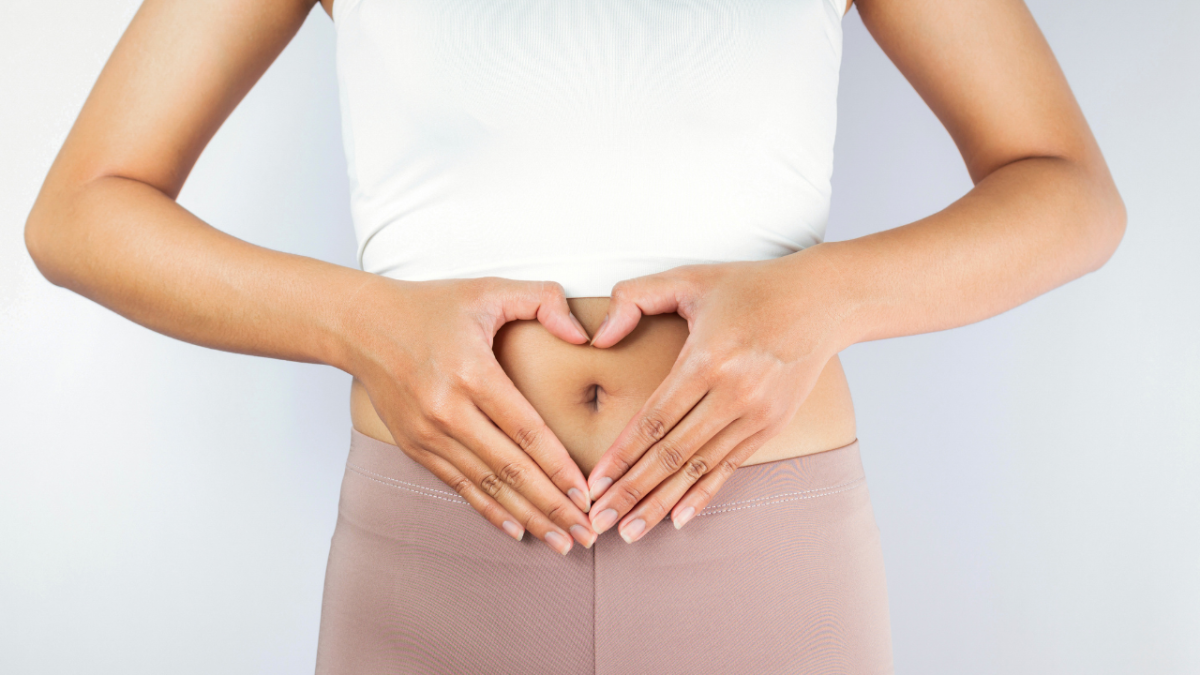
Endometriosis is a condition characterised by pain, add to that it takes on average 8 years in the UK (Endometriosis UK) to get a diagnosis, it creates distinct impact on a person’s physical wellbeing. Whilst it is generally encouraged for people with Endometriosis to participate in exercise as part of healthy lifestyle, it lacks specific guidance on how and what they should do. Pain in endometriosis evolves in several ways which creates a complex web the influences how the body responds to these patterns. This is driven by inflammation, tissue changes at the site of the lesions and central sensitisation.
One of the primary elements of Pilates is posture including proprioceptive awareness. Pain distorts the body’s map of movement and posture. Due to repeated and prolonged periods dealing with abdominal, back and/or pelvic pain requires a retraining approach to the posture. The flexibility of a Pilates practice with the different cue and props can target these changes helping to optimise the foundation on which to build a rehab.
The second key impact seen in endometriosis is a dysfunction in the relationship of the inner core, specifically the diaphragm and pelvic floor. Patterns of bracing and inefficient ability to relax as well as contract is a common presentation. The breath can be a powerful gateway to retraining not only the relationship of the inner core but also influencing the pain patterns outlined above.
These are just two of the main issues that are included in Pilates for Endometriosis. This was created to equip you with the tools to identify patterns of adaptation, address imbalance of the inner core and ultimately help people with endometriosis change the impacts of loving with chronic pain. This is a condition with poor investment in research and multiple barriers to treatment. Enabling someone with endometriosis to take control of their body and reclaim their wellbeing can be immensely impactful. In this course you will not only gain the skills but also the confidence to work in this area too.
Find out more about the Pilates for Endometriosis course
Endometriosis (Emily Elgar)
Over the past few years, we have seen an increase in people talking about the menopause and an explosion of information into the public eye regarding this important topic. It is fantastic that many more women are now talking about their own menopause journey and there is an increasing awareness and help is available in several forms. However, there is still some way to go to ensure women are empowered, educated, and informed regarding the menopause.
Medically menopause is defined as the permanent cessation of menstruation, this can occur through ovarian failure, or it can be induced through surgery or medication. In relation to ovarian failure this creates a progressive (and fluctuating) decline in oestrogen, progesterone and testosterone which results in several symptoms and some longer-term health implications. In the UK the average age of Menopause is 51. With a life expectancy of 82 this means women are living over a third of their lives post menopause. Therefore, it is important for women to be aware of the longer-term health implications to ensure we can live well for longer.
Symptoms relating to the menopause can occur anywhere up to 10 years before periods permanently stop. This is referred to as Perimenopause and results in several physical, psychological, digestive, and vasomotor symptoms as our bodies try to adjust to hormonal changes. Evidence shows that physical activity is a potent tool for health promotion and disease prevention in perimenopausal women (Sternfeld and Dugan, 2011).
Post menopause women experience an increased risk of heart disease, osteoporosis, genitourinary symptoms, loss of muscle mass and osteoarthritis. If we have better bone, muscle and heart health approaching the menopause then it is easier to manage any declines within these areas. Envisage the body like a bank account. You want to start the menopause journey with money in the bank as this is easier to top up. If you start in an overdraft, then it is harder to build back up (but not impossible).
Exercise is a critical component of health and wellbeing at any age; however, it may be especially beneficial during and following menopause (Davenport et al 2017). Exercise should focus on cardio exercises, balance, strength training, weight bearing and mobility. Therefore, Pilates is a perfect exercise choice for women either in perimenopause or post menopause where classes can be targeted to cover the key areas needed to ensure women experience the most benefit from the classes they attend.
There is a growing body of evidence to support the use of Pilates in managing symptoms related to the menopause, improving muscle strength, flexibility, balance, and quality of life (Bergamin et al, 2015; Campos de Oliveira et al, 2015; Lee et al, 2016). Pilates classes provide a dedicated time for women exercise, social support from peers and should also include mindful practice to help some of the psychological symptoms associated with menopause such as stress and anxiety.
In summary a well-designed and structured Pilates program can be a useful tool in helping women who are experiencing symptoms related to the menopause or are looking to promote longer term health benefits.
Find out more about the Pilates for Menopause course
Menopause (Pippa Carter)
Women’s Health is such a fast-growing area of interest presently in the health and fitness industry. It is not a moment too soon and although there are still many gaps to full, as a clinician, educator and Pilates teacher I am embracing the fact there is so much more on offer for women and proud to be part of the APPI family delivering quality women’s health courses.
My own Pilates career led me into the wonderful world of women’s health. Pilates is an exercise discipline that attracts many women of all ages and can be adapted to the different stages of womanhood by considering the key stages of a woman’s life. One of my passions is working with the pregnant and postnatal population. In fact, I remember being signed off as a certified Pilates teacher heavily (very) pregnant in a hot London studio. I was hugely relieved to be signed off, but secretly and selfishly loved all the self-practice for my own pregnant body. On reflection, I wonder whether this positive experience at such a pivotal stage of my own life and Pilates career, nudged me into the ante and postnatal health and fitness world.
In addition to providing a safe exercise choice for this special time frame in a woman’s life (often mixed with numerous emotions), our ante and postnatal Pilates training programmes also consider the evidence surrounding common presentations such as pelvic girdle pain and diastasis recti. Both of our courses (matwork and reformer) provide solutions to support women exercising regardless of their level and ability, and we instil our students with confidence and support so they can go away and deliver to this population immediately after course attendance.
Exercise has huge benefits for mums to be and new mums. This is undisputed and teaching pregnancy and postnatal Pilates is an easy way to gain patient satisfaction and a delightful way to gain job satisfaction. In many cases, you will secure long term clients that will remember you for being such an integral part of their journey. For those of you that have attended any of my matwork or equipment courses, you will know it’s hard to stop me talking about anything pelvic health related.
We need MORE students trained within this area as although healthcare is improving for women’s health, it is still a long way off from making a significant impact. A Pilates teacher will generally have a small – medium group in a class environment. Your voice, words of wisdom and teaching can be exposed to many, and I believe we as Pilates teachers are in a privileged position to create and spread waves of knowledge (not just ripples) when it comes to working with the pregnant and postnatal clients. Become a Women’s Health Certified Pilates Instructor.
Find out more about the Ante & Post Natal course
Ante & Post Natal (Sarah Norris)
Further Resources:
Podcast – Sex, Myths, Menopause and Endometriosis
References:
Bergamin M, Gobbo S, Bullo V, Zanotto T, Vendramin B, Duregon F, Cugusi L, Camozzi V, Zaccaria M, Neunhaeuserer D, Ermolao A (2015) Effects of a Pilates exercise program on muscle strength, postural control and body composition: results from a pilot study in a group of post-menopausal women. Age, 37(6):118
Campos de Oliverira L, Goncalves de Oliveira R, Aparecida de Almeida Pires-Oliveira D (2015) Effects of Pilates on muscle strength, postural balance and quality of life of older adults: a randomized, controlled, clinical trial. Journal of Physical Therapy Science, 27(3): 871-876. https://www.jstage.jst.go.jp/article/jpts/27/3/27_jpts-2014-621/_pdf
Davenport M H, Ruchat S M and Hazell T J (2017) Exercise Prescription for post-Menopausal Women with Obesity. Current Women’s Health Reviews 13(1)
Hillard T, Abernethy K, Hamoda H, Shaw I, Everett M, Ayres J and Currie H (2017) Management of the Menopause: Sixth Edition. British Menopause Society.
Lee H, Caguicla JM, Park S, Kwak DJ, Won DY, Park Y, Kim J, Kim M. (2016) Effects of 8-week Pilates exercise program on menopausal symptoms and lumbar strength and flexibility in postmenopausal women. Journal of Exercise Rehabilitation 12(3):247-51. https://www.e-jer.org/journal/view.php?year=2016&vol=12&page=247
Sternfeld B and Dugan S (2011) Physical Activity and Health During the Menopause Transition. Obstetrics and Genecology Clinics of North America, 38(3) 537-566 https://www.ncbi.nlm.nih.gov/pmc/articles/PMC3270074/pdf/nihms300640.pdf